
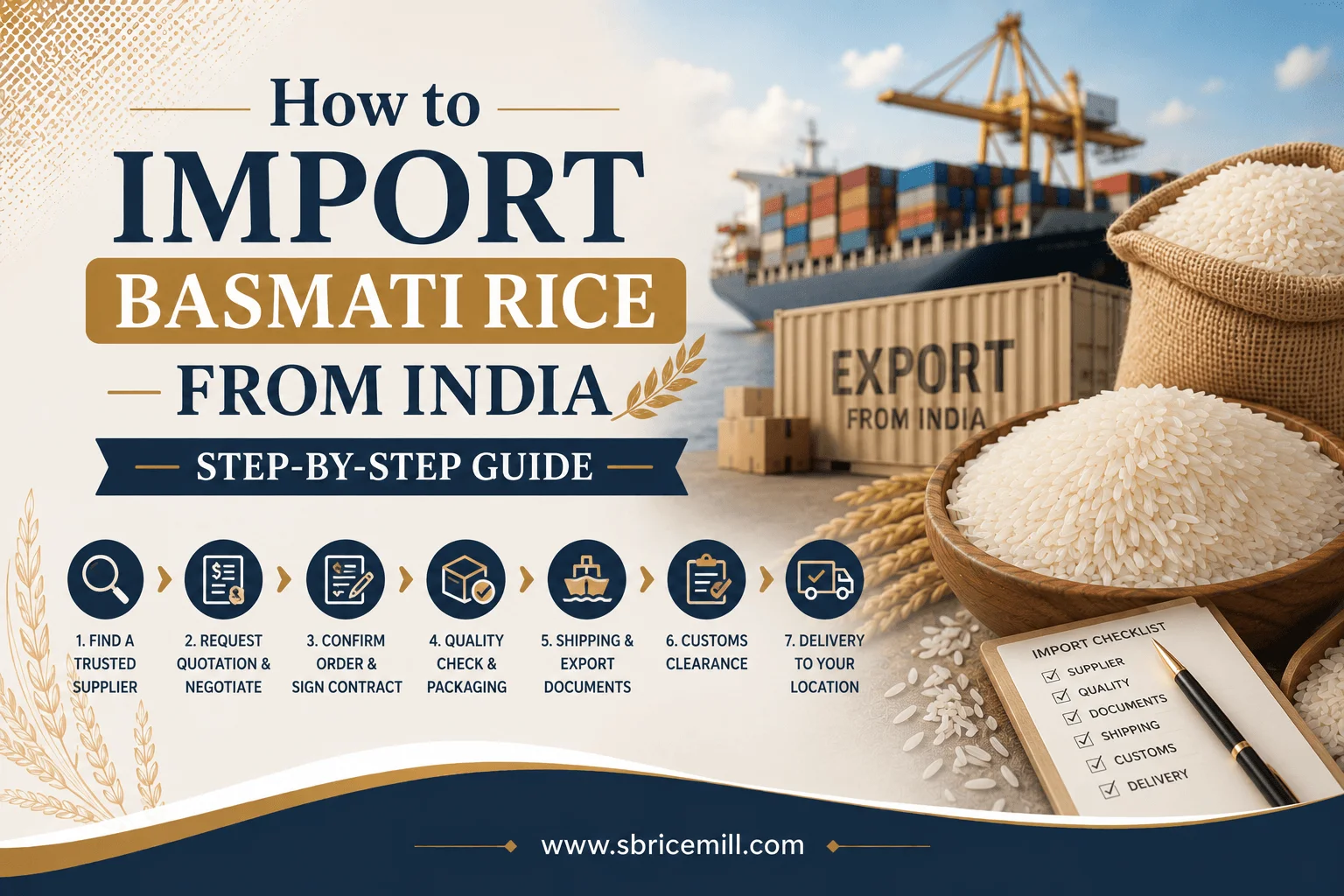
Basmati rice trade has expanded surprisingly high in the last few years due to several reasons. It has evolved from the Indian fields to global fame, considered the King of Rice today. It is one of the most premium aromatic grains in the world. This is why many distributors and agro-businesses across the globe aspire to import from India. But when it comes to imports, the control over the process is important as the quality of the product. There could be numerous logistics challenges, some of which are totally unforeseen. How closely the importers follow the right process and strategy dictates the success of the business.
Conduct Market Research
Before searching for the leading supplier, conducting market research is a basic business strategy. Knowing the demands of your target area answers how much supply you should expect.
Who Is Your Target Customer?
Conduct research to know who your customers are. Commercial kitchens have different supply needs than retail supermarkets. The list may include:
- Restaurants
- End Consumers
- Retailers
- Grocery chains
- Wholesalers
Popular Basmati Rice Variety in Your Market
Basmati rice varies in different forms. Which of those forms are popularly bought in your region or have the growth potential, according to the local cuisines, should be accounted for.
Choose the Right Indian Basmati Rice Exporter
After you have done your market research, it is time to choose the exporter from India. A reliable exporter helps you in choosing the right grades, walks you through their production process for transparency, and helps you navigate the shipment procedures.
Check Export Experience
An experienced exporter supplies to many countries and, more importantly, they adhere to the local compliance guidelines. Ask if they export to your company and the variety they provide.
Shree Krishna Exports has nearly three decades of experience as the leading basmati rice exporter in India.
Rice Samples Are Essential
Product photographs and specifications are not enough to judge the quality of rice. Ask for a sample of the varieties and verify their quality.
How It Cooks
Ultimately, how the rice performs after cooking matters. Observe the grain elongation, texture after cooking, aroma retention and uniformity of grains.
Documentation Requirements
Many rice import businesses suffer not because of inferior quality, but due to the inability to produce the right documents. It can delay clearance and increase the cost significantly.
Common Documents
To avoid discrepancies, have these documents ready –
- Commercial Invoice
- Packing List
- Bill of Lading
- Certificate of Origin
- Phytosanitary Certificate
- Fumigation Certificate
- Quality Inspection Reports
Avoid errors like incorrect consignee information, mismatched product descriptions, and missing certificates.
Placing the Order and Shipment Process
Once the price and specifications are agreed, you can finally place the order.
Confirm Packaging Specifications
Finalize the key details such as bag size, packaging material, label information and language requirements.
Avoid These Common Mistakes
Avoid these mistakes that might reduce your chances of establishing a successful basmati rice business:
- Not asking for the rice samples.
- Comparing the prices without evaluating the samples from the suppliers.
- Choosing a supplier that does not comply with destination-country regulations.
- Overlooking the packaging needs.
- Selecting a supplier with limited production and variety capacity.
Conclusion
Importing the basmati rice can be a highly profitable business, only if the choices are made smartly and the right steps are followed. From market research to receiving your orders, don’t take any step lightly. Look for suppliers who can maintain a long-term relationship with your business. Sb Rice Mill by Shree Krishna Exports is one such name with a strong market presence across the global markets for basmati rice.